Thrillers
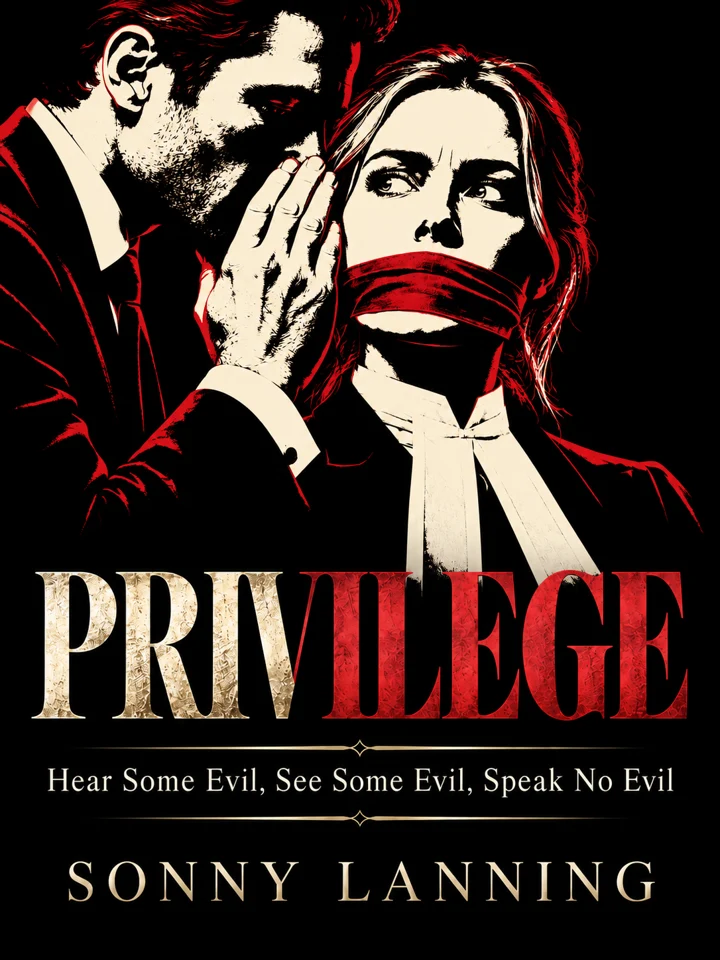
Privilege
Hear Some Evil. See Some Evil. Speak No Evil.
A commercial solicitor finds material showing that serious defects in a building have been concealed. The implications reach beyond a dispute over documents or money. People may be at risk. What she knows could matter to their safety, and the evidence is close enough for her to understand the danger. It is also privileged material belonging to her client.
Her professional duties cannot simply be set aside because the information is disturbing. Privilege protects a relationship on which legal advice depends. Breaching it is not a consequence she can wish away by believing her motives are good. Yet keeping the material confidential means living with knowledge that might prevent harm, while the people exposed to that harm may have no idea what has been hidden.
The familiar language of doing the right thing becomes difficult to apply. Reporting what she has found could save lives and destroy her career. Remaining silent may preserve an obligation while leaving her implicated, at least morally, in whatever follows. Each path carries responsibilities that do not disappear when another responsibility becomes more urgent.
The problem is sharpened by the nature of the evidence itself. Concern without proof can be dismissed. Proof protected by privilege cannot be treated as if it were freely hers to distribute. Her training equips her to understand why the boundary exists, but that understanding offers little comfort when a building's safety may depend on someone crossing it. Knowing the rules makes the conflict more exacting rather than less personal.
Privilege is a legal thriller about a professional caught where public safety, loyalty and conscience cease to point in the same direction. She must decide what she can do with a truth she is responsible for keeping—and how to live with the consequences if keeping it means that others never receive the warning they need.
Ebook purchase link coming soon.