Thrillers
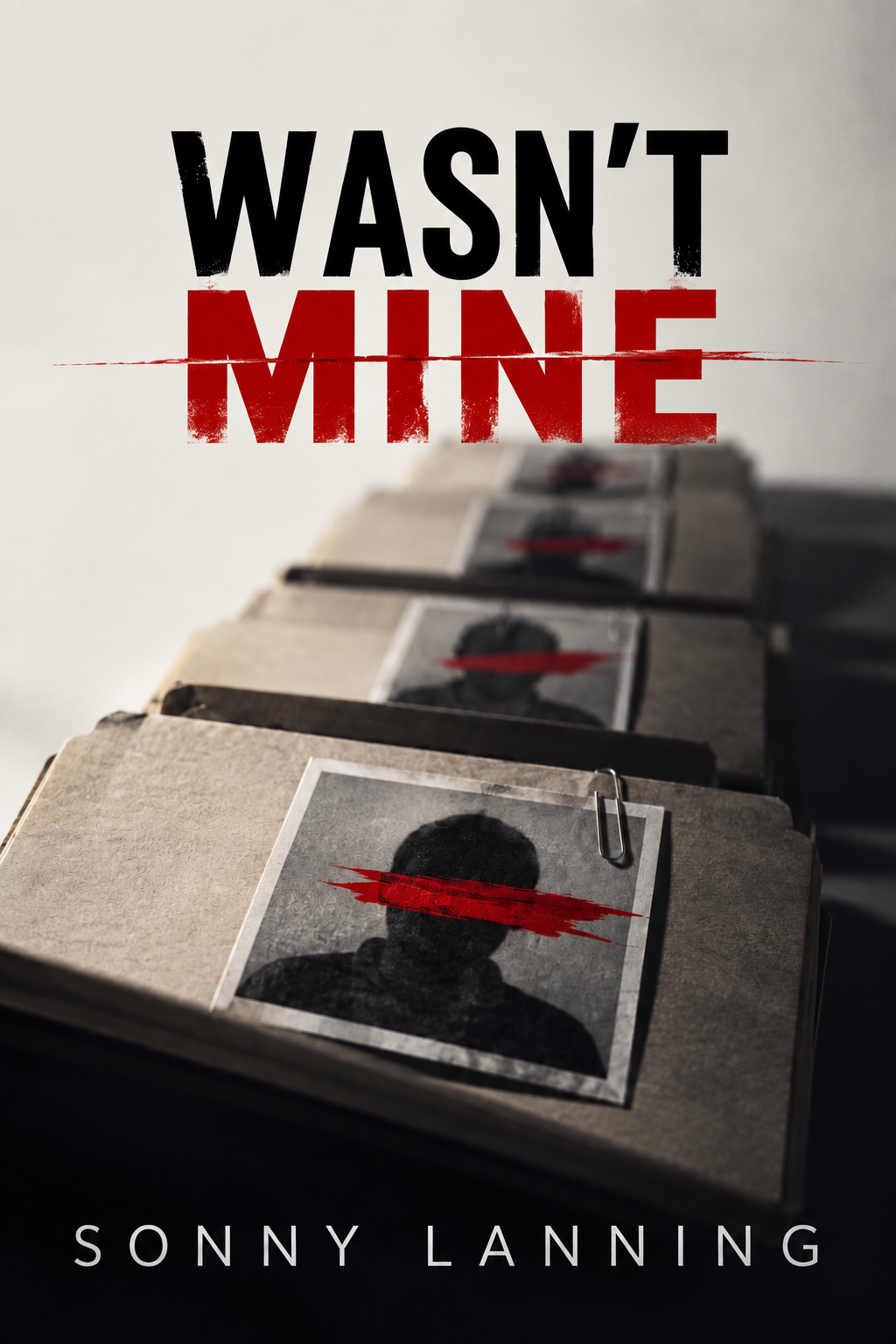
Wasn’t Mine
It's easy to pin it all on a monster
For seventeen years, police have hunted the Cedar Killer. The name has given a series of murders a single shape and an investigation a single target. When dying murderer Darren Holt finally confesses, the case appears to have reached the ending everyone has worked towards. DNA confirms his responsibility for several of the crimes. The long search seems capable, at last, of becoming an answer.
Then Holt denies others. One confession has divided the case rather than closed it. His confirmed guilt makes the denials impossible to dismiss as the claims of someone with no connection to the murders, but it does not make him a trustworthy guide. The evidence must be reopened, and assumptions built over seventeen years must become questions again.
DCI Inez Navarro has invested much of her career in the belief that one offender was responsible. Revisiting the files means confronting the possibility that the investigation's organising principle helped obscure what it was meant to reveal. Crimes understood as parts of one pattern may have belonged to different people, each benefiting from the same apparently convincing account.
A more disturbing possibility emerges: the Cedar Killer became an identity that other murderers learned to inhabit. The investigation itself helped create a story into which unrelated violence could disappear. If a new death could be attributed to the known killer, the person actually responsible might remain beyond the direction in which everyone was looking. Certainty became something criminals could use.
Wasn't Mine is a crime thriller about the danger of an explanation that fits too much. To find the remaining killers, Inez must separate evidence from the narrative she helped build, without losing sight of what Holt really did. The confession offers an ending for part of the case. For the rest, it forces the search to begin again.
Ebook purchase link coming soon.